
Workstation vs Server: What Every Dental Office Should Know
-
Ezra Angelo
- • July 16, 2025
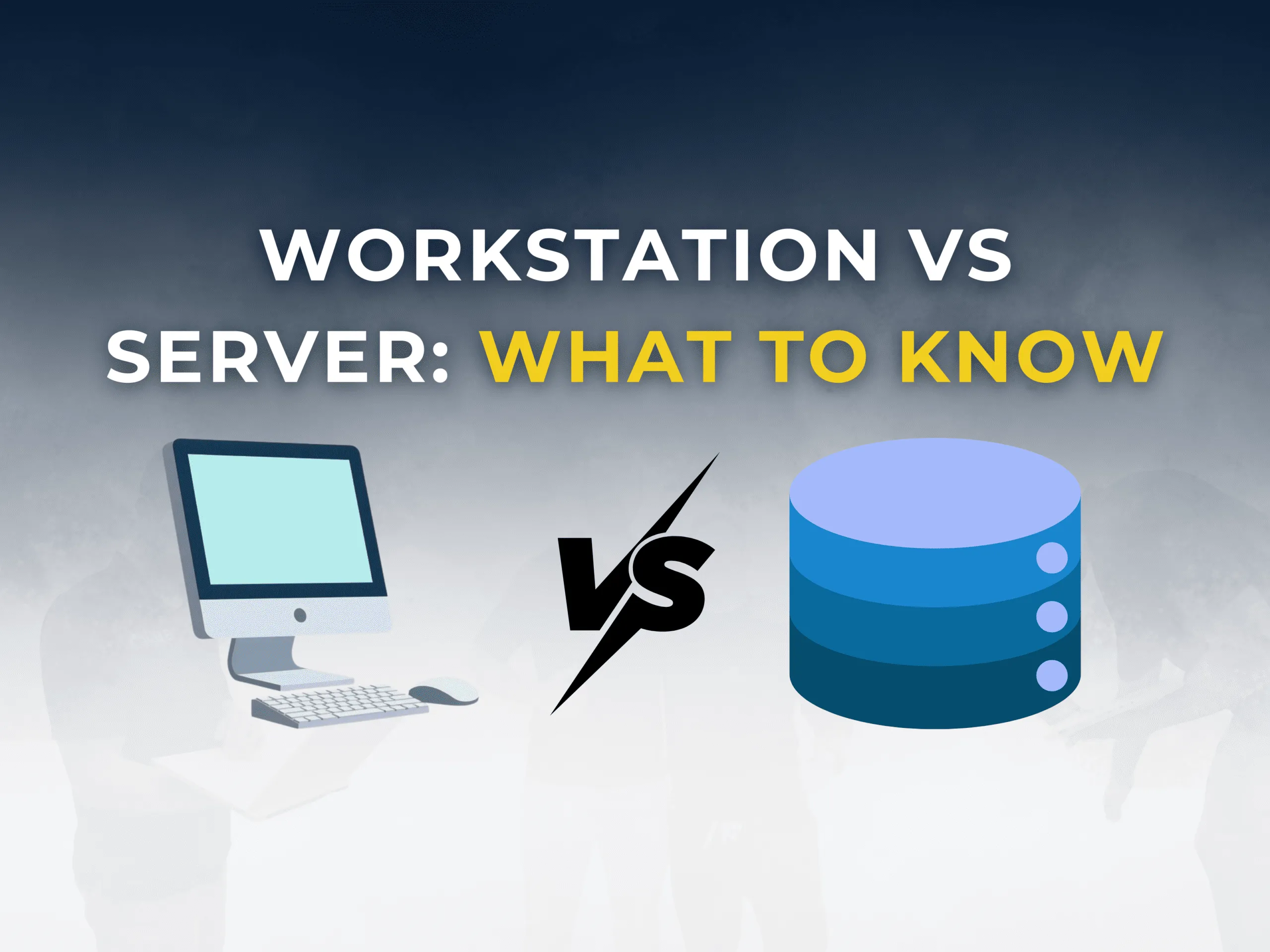
Most dental teams use computers every day without knowing which ones are workstations and which one is the server. When something goes wrong or a hardware decision needs to be made, that distinction matters a great deal.
Here is a plain-English explanation of what each one does, why they are different, and what your practice needs to know about both.
Running software or other applications on the server is one of the most common causes of dental practice performance problems.
The server should be dedicated to one job: serving data to workstations. Every application installed on the server competes for the same resources your practice management software needs. When staff install software on what they think is just another computer, and it turns out to be the server, performance problems follow.
What a Server Is
A server is a computer that stores your data and makes it available to other computers on the network. In a dental practice running Dentrix, Eaglesoft, or Open Dental, the server holds the patient database, the imaging data, and the practice management software itself. When a front desk workstation opens a patient record, it is retrieving that record from the server.
The server runs continuously, usually in a back office or dedicated server room. It does not have a monitor, keyboard, or mouse attached to it during normal operation. Nobody uses the server to check email or browse the web. Its only job is to store data and respond to requests from workstations.
What makes a server different from a regular computer
Servers are built for different demands than workstations. They use server-grade processors and operating systems like Windows Server rather than Windows 11. They have more RAM, more storage, and hardware designed to run continuously without rest. They also have features like redundant power supplies that reduce the risk of failure. These components cost more than their consumer equivalents, which is why servers are significantly more expensive than workstations.
What a Workstation Is
A workstation is the computer that staff members use to do their work. The front desk workstation runs scheduling and billing. The operatory workstation captures X-rays and displays the patient chart. The office manager’s workstation handles reporting and administrative tasks. Each workstation connects to the server to access the shared database and patient records.
Workstations run Windows 10 or Windows 11 and use consumer or business-grade hardware appropriate for their role. Your IT provider should spec each workstation based on its specific function, since an operatory workstation used for X-ray capture has different hardware requirements than a front desk scheduling workstation.
Front desk workstation
Scheduling, billing, patient check-in, insurance verification, and patient communication.
Operatory workstation
Chart access, X-ray capture, treatment planning, and clinical documentation. Must be wired.
Office manager workstation
Reporting, admin tasks, email, HR software, and practice analytics.
Why the Distinction Matters for Dental Practices
Backup coverage
Because all shared patient data lives on the server, the server is the most critical backup target. A backup that covers workstations but misses the server has missed the most important data in your practice. Critically, dental imaging data is often stored in a separate folder from the main database, meaning both locations on the server must be backed up independently.
A workstation backup without a server backup is not a backup of your patient data.
Software installation rules
Major dental software vendors are firm that the server should run only the practice management software and nothing else. Eaglesoft specifically states that no other applications should run on the server machine. When office staff install software on what they think is just another computer and it turns out to be the server, it can cause performance problems and in some cases software conflicts that require IT intervention to resolve.
Maintenance and monitoring
Your IT provider should be monitoring the server continuously, not just when something breaks. Server monitoring watches disk space, CPU usage, memory, hardware health, and backup status. Workstations require maintenance too, but the server gets priority because a server failure affects every user in the practice simultaneously.
What each machine does in a dental office
Server: runs the PMS, stores all data
Holds the patient database, imaging data, and practice management software. Runs continuously in a back office or server room. Never used as a workstation.
No other applicationsOperatory workstation: chart access and imaging
Captures X-rays, displays patient chart during procedures, and records clinical notes. Requires a wired Ethernet connection for reliable imaging software performance. Wireless connections cause imaging software failures.
Wired onlyFront desk workstation: scheduling, billing, patient communication
Manages appointment scheduling, insurance billing, patient check-in, and communication tools. Highest interaction volume in the practice. A slow front desk workstation directly impacts patient flow.
Office manager workstation: reporting, admin, email, and HR software
Handles practice analytics, HR tasks, administrative email, and any software the front desk and operatory workstations do not need. The most common workstation for non-clinical software installations.
Frequently Asked Questions
Ekim IT Solutions works exclusively with dental practices. We serve New England and New York with on-site support and dental practices nationwide with remote support. We manage both your server and your workstations as a connected system, not two separate problems, so performance issues and failures get caught before they take your practice offline.
-
- • July 16, 2025


